

A denial letter hits differently. One moment, you’re expecting coverage for obvious storm damage. The next, you’re reading a carefully worded explanation telling you your claim won’t be paid. Frustrating? Absolutely. Final? Not even close. If you’re searching for What to Do If Your Hail Claim Was Denied in Texas, you’re already ahead of most homeowners. Because the truth is simple denied claims are challenged every single day, and many of them get overturned.
I’ve seen it happen repeatedly. The difference between a denied claim and a paid claim often comes down to one thing: strategy. Not luck. Not timing. Strategy. Let’s break down exactly what to do next.
Understanding Why Hail Claims Get Denied
Before you push back, you need to understand what you’re up against. Insurance companies don’t just deny claims randomly. They rely on patterns, internal guidelines, and sometimes aggressive cost-control measures. When you understand those patterns, you can dismantle them.
Common Reasons Insurance Companies Deny Hail Claims
Most denials fall into predictable categories:
- “No storm-related damage found”
The adjuster claims the roof doesn’t show impact damage consistent with hail. - Wear and tear vs. sudden damage
Aging shingles get blamed instead of storm damage. - Pre-existing damage
The insurer argues the issue existed before the storm date. - Insufficient documentation
Weak or incomplete evidence leads to rejection. - Policy exclusions
Certain materials or conditions may not be covered.
Here’s what matters: these reasons are often subjective. And subjective decisions can be challenged.
Red Flags in Your Denial Letter
Not all denial letters are created equal. Some are thorough. Others? Thin.
Watch for these warning signs:
- Vague explanations without detail
- No supporting inspection report
- Limited or low-quality photos
- Extremely fast inspection turnaround
If your denial lacks depth, it opens the door for dispute.
Step 1: Don’t Panic Review Your Denial Letter Carefully
This is your foundation. Don’t skip it.
What to Look For
Break the letter down line by line:
- Exact reason for denial
- Policy clauses referenced
- Inspection findings
- Appeal deadlines
Why This Matters
Your denial letter tells you exactly where the insurance company is drawing its line. Your job is to push back with precision.
Step 2: Verify the Storm Actually Happened
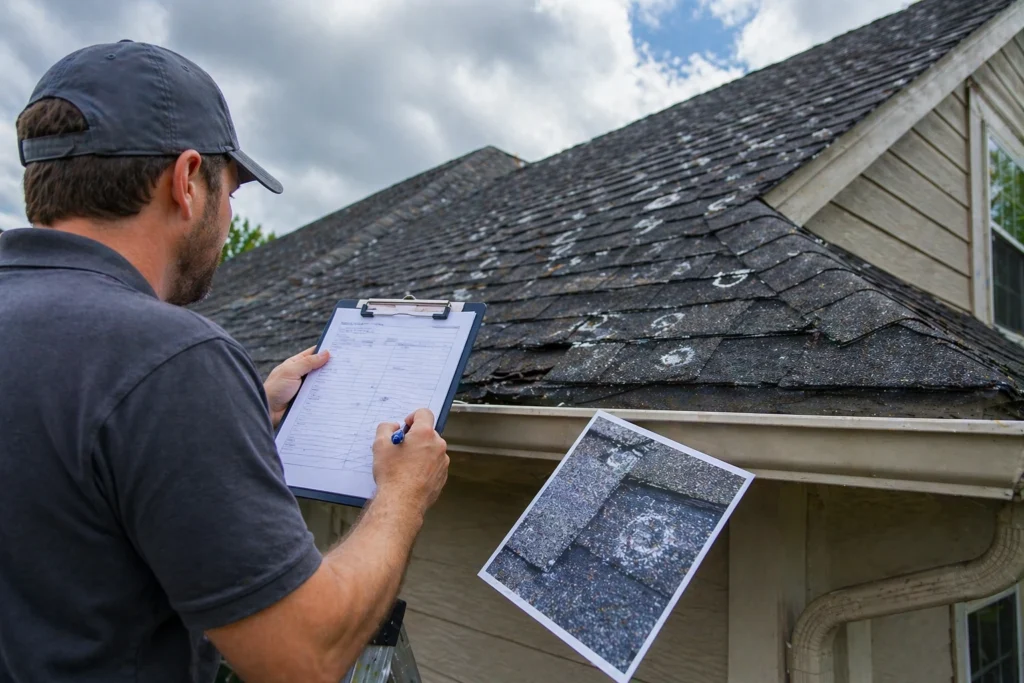
It sounds basic. It’s not. Insurance companies sometimes challenge whether a storm caused the damage at all.
How to Confirm Hail Activity
Use reliable data sources:
- NOAA storm reports
- Radar-based hail tracking
- Local weather archives
Match the storm date with your claim.
Why Insurers Do This
If they disconnect your damage from a specific storm, they reduce their liability. It’s a strategic move.
Step 3: Get a Professional Roof Inspection
This is where the game changes.
Why DIY Inspections Fall Short
You might see dents or missing shingles. But subtle hail damage? Easy to miss.
Common DIY limitations:
- Missed impact points
- Poor documentation
- Safety risks
What a Professional Inspection Includes
A real inspection is systematic and detailed:
- Test squares to measure damage density
- High-resolution photo documentation
- Material-specific damage analysis
- Full roof mapping
In areas like McKinney, storm behavior varies from one neighborhood to another. Roofing materials, age, and exposure all play a role. Local expertise matters more than most people realize.
Step 4: Document Everything the Right Way
Documentation wins claims. Every time.
Essential Evidence You Need
- Wide-angle roof photos
- Close-up impact shots
- Video walkthroughs
- Date-stamped documentation
Advanced Documentation Strategy
Take it further:
- Before-and-after comparisons
- Drone imagery for full coverage
- Detailed inspection reports
This process is more analytical than it looks. In fact, building a claim often resembles structured reasoning similar to Bayesian inference where each piece of evidence strengthens your overall argument. Miss one variable, and your outcome shifts. How to Document Hail Damage for an Insurance Claim is not about taking random photos. It’s about creating a clear, evidence-backed narrative that leaves no room for doubt.
Step 5: Request a Reinspection from the Insurance Company
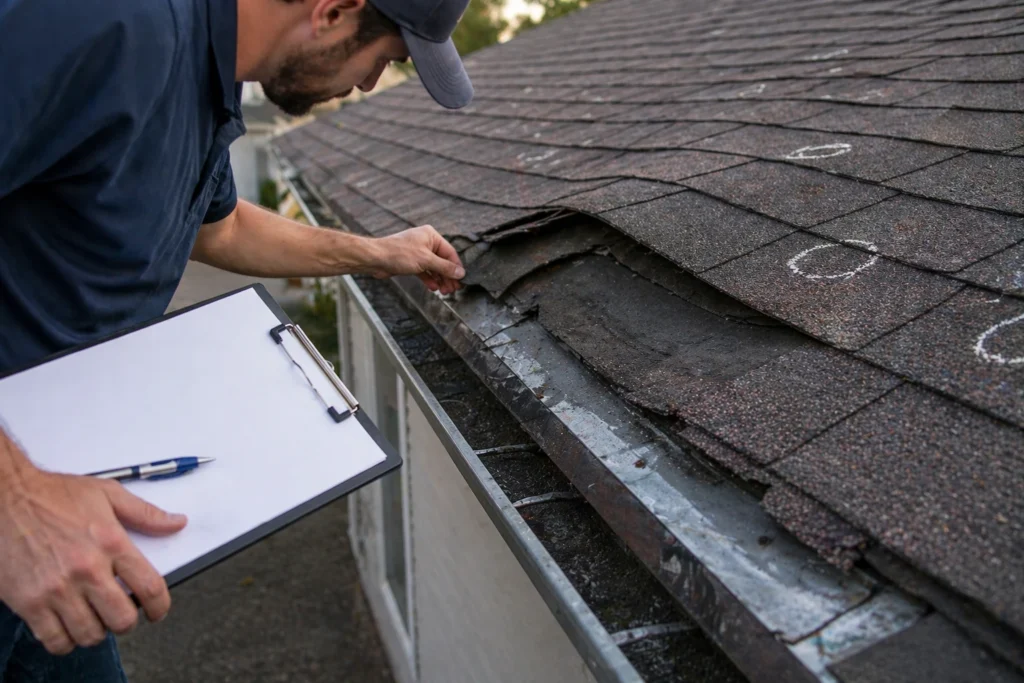
Now you act.
What Is a Reinspection?
A second evaluation triggered by new evidence or findings.
How to Request One Effectively
- Submit your documentation
- Include professional inspection reports
- Be clear and direct
What to Expect
- Some resistance
- Possible pushback
- But also opportunity
Many claims are reversed at this stage.
Step 6: Understand What Carriers Miss in Their Scope
This is where claims gain value. Insurance adjusters frequently miss key components not always intentionally, but consistently.
Commonly Missed Items
- Underlayment damage
- Flashing and vent issues
- Code-required upgrades
- Soft metals (gutters, vents)
Why This Matters
Every missed item reduces your payout. Stack multiple missed items, and the difference becomes significant. Hail Damage Claim Supplements: What Carriers Miss in Their Scope is where claims are often won or lost.
Step 7: File a Formal Appeal
If the reinspection doesn’t resolve the issue, escalate.
How the Appeals Process Works
- Submit a written dispute
- Attach supporting documentation
- Reference policy language
What Makes an Appeal Strong
- Clear structure
- Evidence-backed arguments
- Professional estimates
No emotion. Just facts.
Step 8: Know Your Rights Under Texas Insurance Law
You have leverage. Use it.
Consumer Protections
Insurance companies must:
- Respond promptly
- Handle claims fairly
- Pay valid claims without delay
Warning Signs of Bad Faith
- Delays without explanation
- Lowball estimates
- Incomplete investigations
When these appear, your position strengthens significantly.
Step 9: Consider Hiring a Public Adjuster
Sometimes, you need an expert in your corner.
What a Public Adjuster Does
- Represents you not the insurer
- Handles documentation and valuation
- Negotiates your claim
Why This Changes Outcomes
Better scope. Better documentation. Better results. The difference between Public Adjuster vs. Insurance Adjuster for Hail Claims in Texas comes down to alignment. One works for your payout. The other protects the insurer’s bottom line. In McKinney, where roofing costs and property values vary, precision matters. Small differences in scope can mean thousands of dollars.
Step 10: When to Escalate Further
Some claims require more pressure.
Your Options
- Appraisal process
- Filing a complaint with the Texas Department of Insurance
- Legal action
When Escalation Makes Sense
- High-value claims
- Clear wrongful denial
- Ongoing delays
Timing matters here. Act strategically.
Deep Dive: Negotiation Strategy That Works
Let’s talk tactics.
What Works
- Organized documentation
- Clear, evidence-based arguments
- Consistent follow-up
What Doesn’t
- Emotional appeals
- Incomplete submissions
- Guesswork
Treat your claim like a case. Because it is.
Real-World Scenario: Denial to Approval
Here’s how this plays out:
Initial Outcome:
Claim denied. No storm-related damage.
Action Taken:
- Independent inspection
- Full documentation
- Reinspection requested
Final Result:
Approved. Full roof replacement covered.
What Changed?
Evidence. Strategy. Persistence.
Mistakes to Avoid After a Denial
Avoid these common pitfalls:
- Accepting the denial immediately
- Filing weak or incomplete appeals
- Ignoring documentation
- Waiting too long to act
Every mistake delays your outcome.
Timeline: What Happens After a Denial
| Stage | Action | Timeframe |
| Denial Received | Review letter | 1–3 days |
| Documentation | Gather evidence | 3–7 days |
| Reinspection | Request | 1–2 weeks |
| Appeal | Submit | 2–4 weeks |
| Resolution | Negotiate | Varies |
Stay organized. Stay consistent.
Why Location Matters in Hail Claims
Hail damage isn’t uniform.
Factors include:
- Storm intensity
- Roofing materials
- Environmental exposure
In McKinney, rapid development and varied roofing systems create unique challenges. Local expertise helps bridge that gap.
Advanced Insight: How Damage Evaluation Really Works
Insurance evaluations involve multiple variables:
- Impact size
- Material type
- Roof age
- Environmental exposure
Miss one variable, and the conclusion changes.
That’s why strategy matters so much when dealing with What to Do If Your Hail Claim Was Denied in Texas.
Checklist: Your Action Plan After a Denial
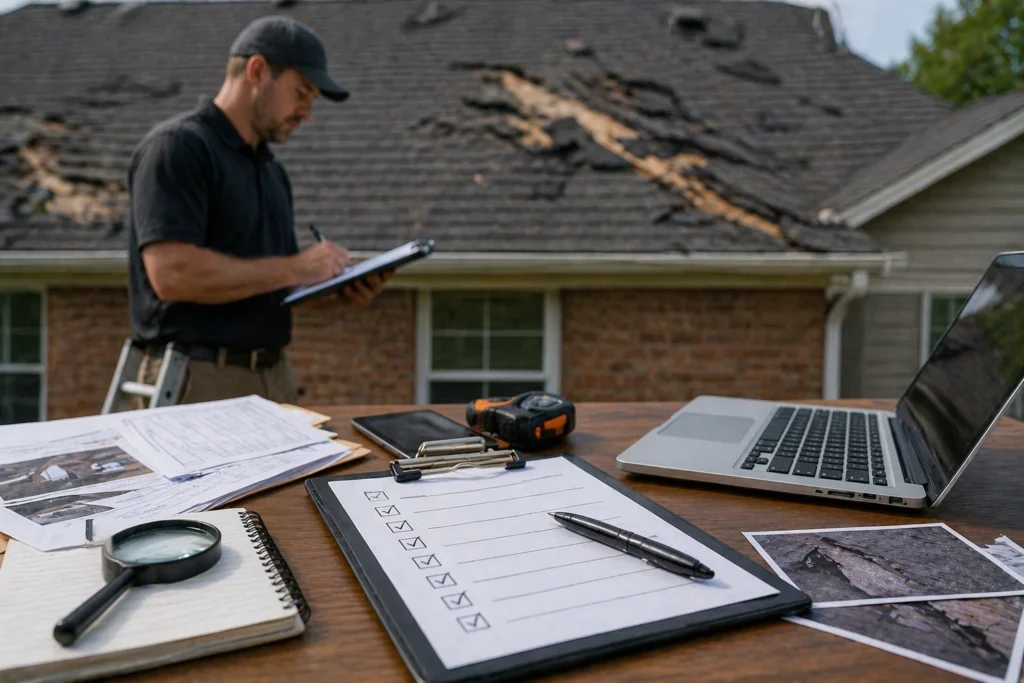
Use this roadmap:
- Review denial letter
- Verify storm data
- Get professional inspection
- Document thoroughly
- Request reinspection
- Identify missed scope items
- File appeal if needed
- Consider public adjuster
- Escalate when necessary
Simple steps. Powerful results.
Final Thoughts: Denial Is a Delay Not the End
Let’s be clear. A denial doesn’t define your outcome. Your response does. If you follow the right steps review, document, challenge, and escalate you shift the entire trajectory of your claim.
What to Do If Your Hail Claim Was Denied in Texas isn’t complicated. But it does require discipline, patience, and strategy. Stay focused. Stay persistent. Because when handled correctly, a denial isn’t a dead end—it’s the beginning of getting what you’re owed.
FAQs
Yes, you can request a reinspection or file an appeal if you have new evidence or believe the denial was incorrect.
Timelines vary by policy, but acting within a few weeks is best to avoid delays or missed deadlines.
The most common reason is the insurer claiming there is no storm-related damage.
Yes, a professional inspection often reveals damage that was missed in the initial evaluation.
In many cases, yes, because they provide detailed documentation and negotiate directly with the insurer.
You can escalate by filing a formal appeal or contacting the Texas Department of Insurance.
Possibly, depending on your policy, but delays can make approval more difficult.
Clear photos, videos, and a professional inspection report are the most critical pieces of evidence.
It depends on the repair cost, but even small claims can be worth pursuing if damage is valid.
Yes, local storm data and roofing conditions can influence how damage is evaluated.